Friday Floriography: Zinnia
The Zinnia and the Language of Staying
Week 1 — August 28, 2026
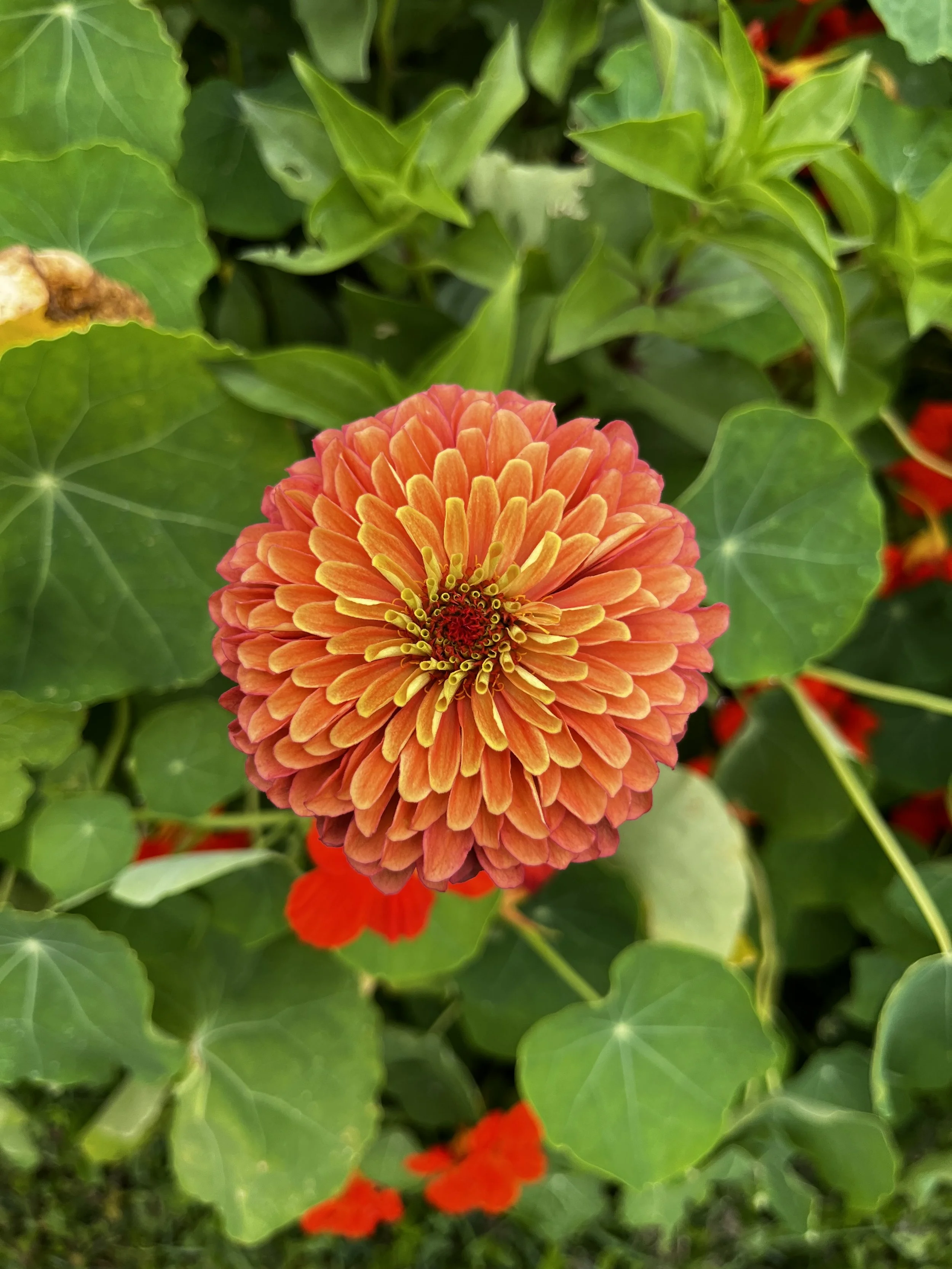
Right now, in the last stretch of a Zone 5 summer, the zinnia is holding its color in the field long after the more delicate blooms have given up for the season. If peonies are the flowers of anticipation and sweet peas are the flowers of a fleeting moment, the zinnia is the flower of staying. And that, it turns out, is exactly what it has always meant.
What the Zinnia Says
In the Victorian language of flowers — floriography, the communication through the use of flowers- a meaning is assigned to nearly every bloom a person could give or receive — the zinnia stood for lasting affection and thoughts of absent friends. It wasn't a flower for new romance or fleeting infatuation. It was a flower for the friend who moved away, the loved one across a distance, the relationship built to outlast a season.
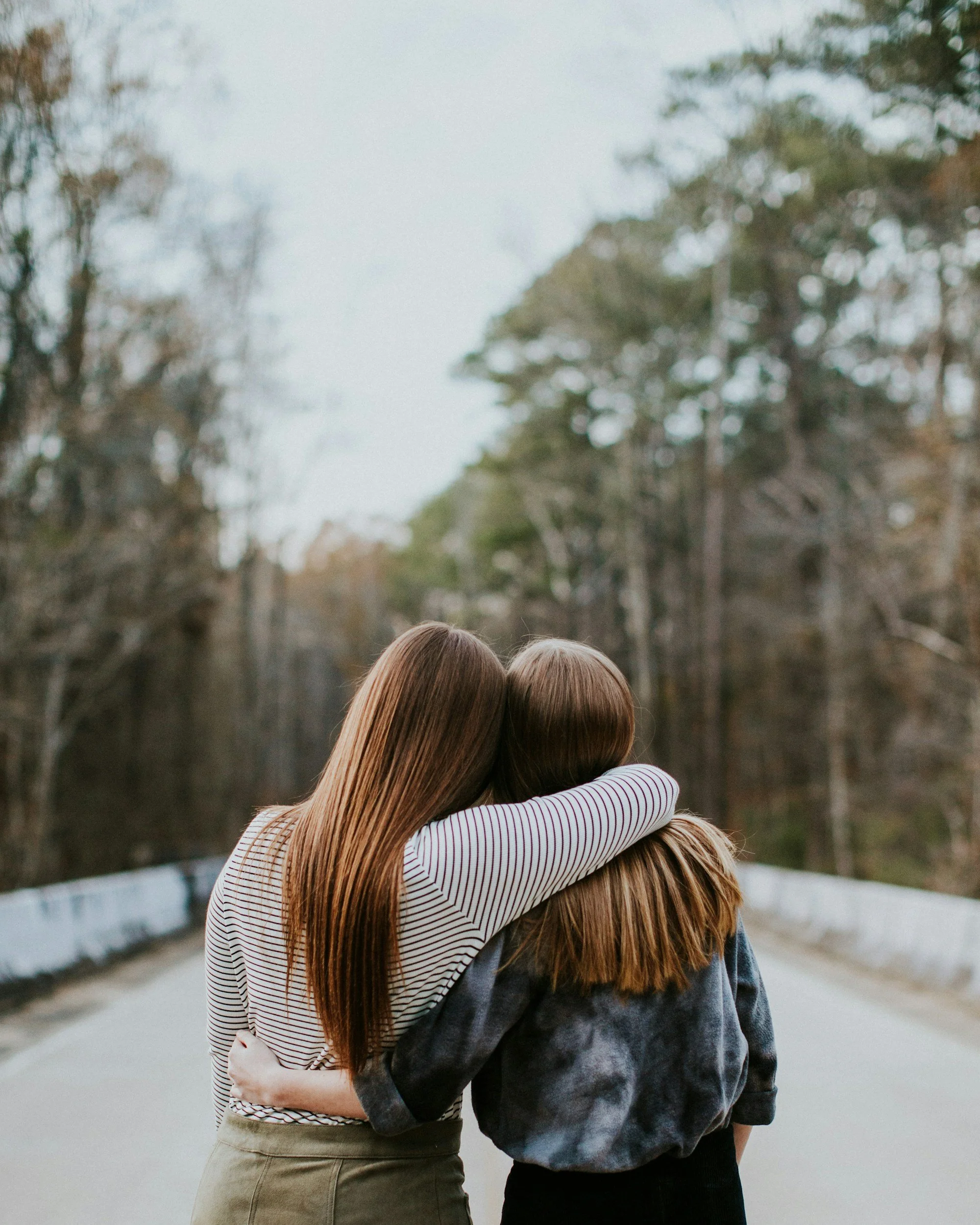
To send zinnias was to say: I haven't forgotten you, and I don't intend to.
That meaning makes a certain kind of sense once you know the flower itself. Zinnias are tough. They hold their color through heat, through neglect, through the kind of late-summer stretch that wilts nearly everything else in a cutting garden. A bouquet of zinnias in a jar on the counter will often outlast the week. There's something almost stubborn about them — and stubbornness, historically, has always been mistaken for devotion.
Where the Zinnia Comes From
The flower carries the name of Johann Gottfried Zinn, an 18th-century German botanist and anatomist who first formally described the plant — though the flower itself is far older than its European name suggests. Zinnias were cultivated long before that, in the gardens of the Aztec Empire, where early Spanish explorers reportedly found them unremarkable at first glance. One early account dismissed them as "mal de ojos" — "sickness of the eyes" — for their wild, mismatched colors before centuries of cultivation bred them into the bold, symmetrical blooms we grow today.
It's a strange origin for a flower that would go on to mean loyalty. But maybe it isn't strange at all. The zinnia was reshaped, generation after generation, into something more vivid than what it started as — and it kept blooming through all of it.
The Folk Magic of the Zinnia
Older folk traditions didn't attach much sorcery to the zinnia — it's a relatively young garden flower by folklore standards — but the sentiment around it borrowed from older, deeper beliefs about flowers given at a distance. Across many pre-modern flower traditions, a bloom sent to someone far away wasn't just a message. It was believed to carry a kind of tether — a small piece of the sender's intention traveling with it, meant to reach the recipient's thoughts before the flower itself even arrived.
What's Blooming at Misty Meadows
This week, the zinnia rows are doing exactly what they do best — holding steady, holding color, refusing to quit even as August starts to turn toward September. They're some of the last true field color before the palette shifts toward the deeper tones of fall.
Next up: the Cosmos, and the order and harmony of nature
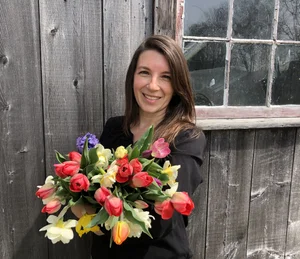
Misty Meadows Flower Farm is a woman-owned, sustainably grown u-pick cut flower farm in Franklin, NY. U-pick is open July - October, 10 am - sunset.