Friday Floriography
Welcome to Friday Floriography
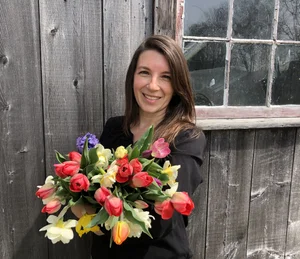
Every Friday on this blog, I'll be featuring a flower — what it means, where that meaning comes from, and what's actually blooming in the field at Misty Meadows that week. Before diving into the first flower, it's worth explaining what floriography actually is, since it's the whole premise of this series.
What Is Floriography?
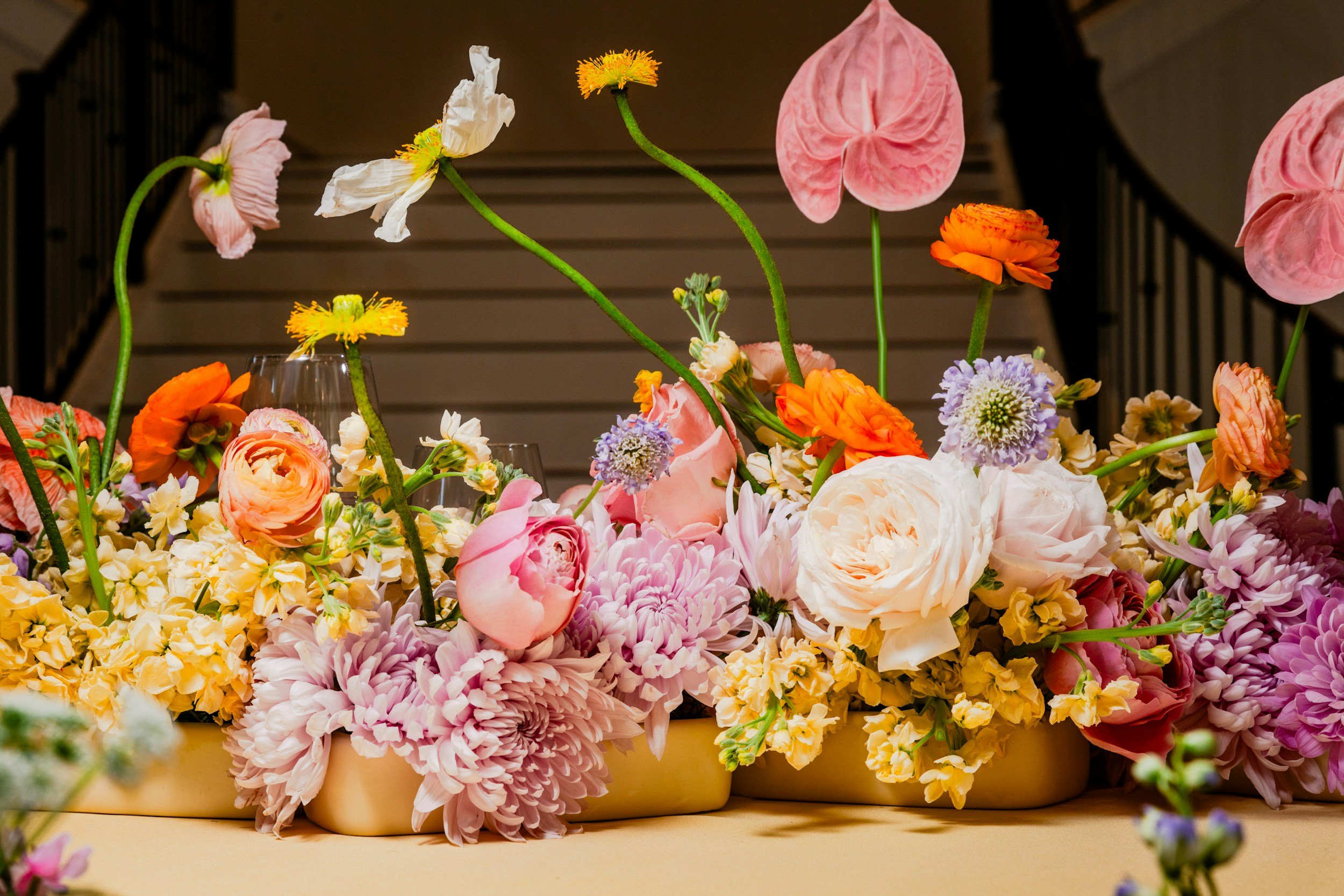
Floriography is the language of flowers — a system where individual blooms, and even their colors, carry specific meanings. A red rose says one thing. A yellow rose says something else entirely. A sprig of rosemary means remembrance. A marigold can mean grief or gold, depending on who you ask and when. For a few centuries, this wasn't just poetic flourish — it was a working code that people actually used to say things they couldn't say outright.
This is honestly one of my favorite things about working with flowers. It's easy to think of a bouquet as just something pretty, but there was a time when a flower could carry an entire sentence — when what you handed someone mattered as much as what you said to them, sometimes more. I find that kind of quietly thrilling, and it's part of why I've collected a small stack of books on the subject over the years. I'll do a full post at some point sharing my favorites, for anyone who wants to go deeper than a weekly blog post allows.
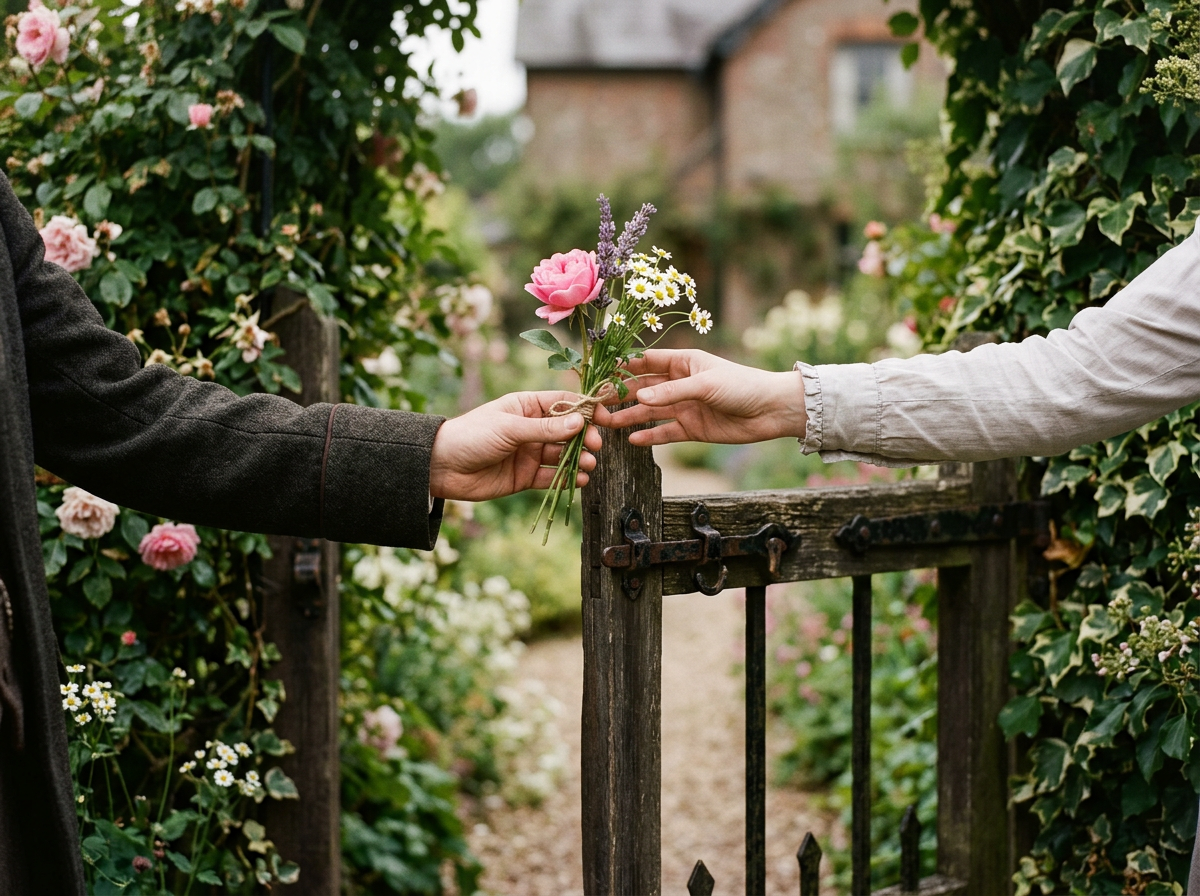
Here's an example: picture a young man in Victorian England, working up the nerve to hand a young woman three flowers — a pink rose, a sprig of lavender, and a stem of chamomile. To anyone else watching, it's just a small bundle of flowers. But she would have known exactly what he was telling her: the pink rose was an expression of grace and happiness, the lavender a quiet devotion, and the chamomile a promise of patience — that he'd wait for her heart, however long it took. Three flowers, and he'd said something he might never have worked up the courage to say out loud.
Where It Came From
The roots of floriography stretch back to the Ottoman Empire, where a practice called "selam" used objects — flowers among them — to send coded messages, particularly useful for communication that couldn't be spoken openly. The idea traveled to Europe in the early 1700s, largely through the writings of Lady Mary Wortley Montagu, wife of the British ambassador to Constantinople, who documented the practice in her letters home.
From there, it found its true home in Victorian England. The Victorians were a famously buttoned-up culture — emotional directness wasn't exactly encouraged in polite company — and floriography gave people a way around that. A carefully chosen bouquet could confess love, decline a proposal, offer condolences, or deliver a quiet insult, all without a single word spoken aloud.
Entire dictionaries were published just to keep everyone fluent:
Le Langage des Fleurs in France in 1819, and later English editions that became standard references in Victorian parlors. Giving flowers wasn't casual. It was correspondence.
Why It's Worth Reviving
Most of us don't need flowers to say what we're not allowed to say anymore. But there's still something worth keeping from all of this — the idea that a flower isn't just decoration. It has a history, a symbolism, sometimes even a folklore of protection or luck attached to it, long before it ever became something you'd pick up at a farm stand or grow in a cutting garden.
That's what this series is for. Each Friday, I'll take one flower — usually something in season here in Zone 5 Upstate NY — and walk through what it has meant, where that meaning came from, and any folklore or old magic tied to it. Some weeks that'll be a flower currently blooming in the field. Other weeks, especially through the winter, it'll be something with a story worth telling even when nothing's growing outside.
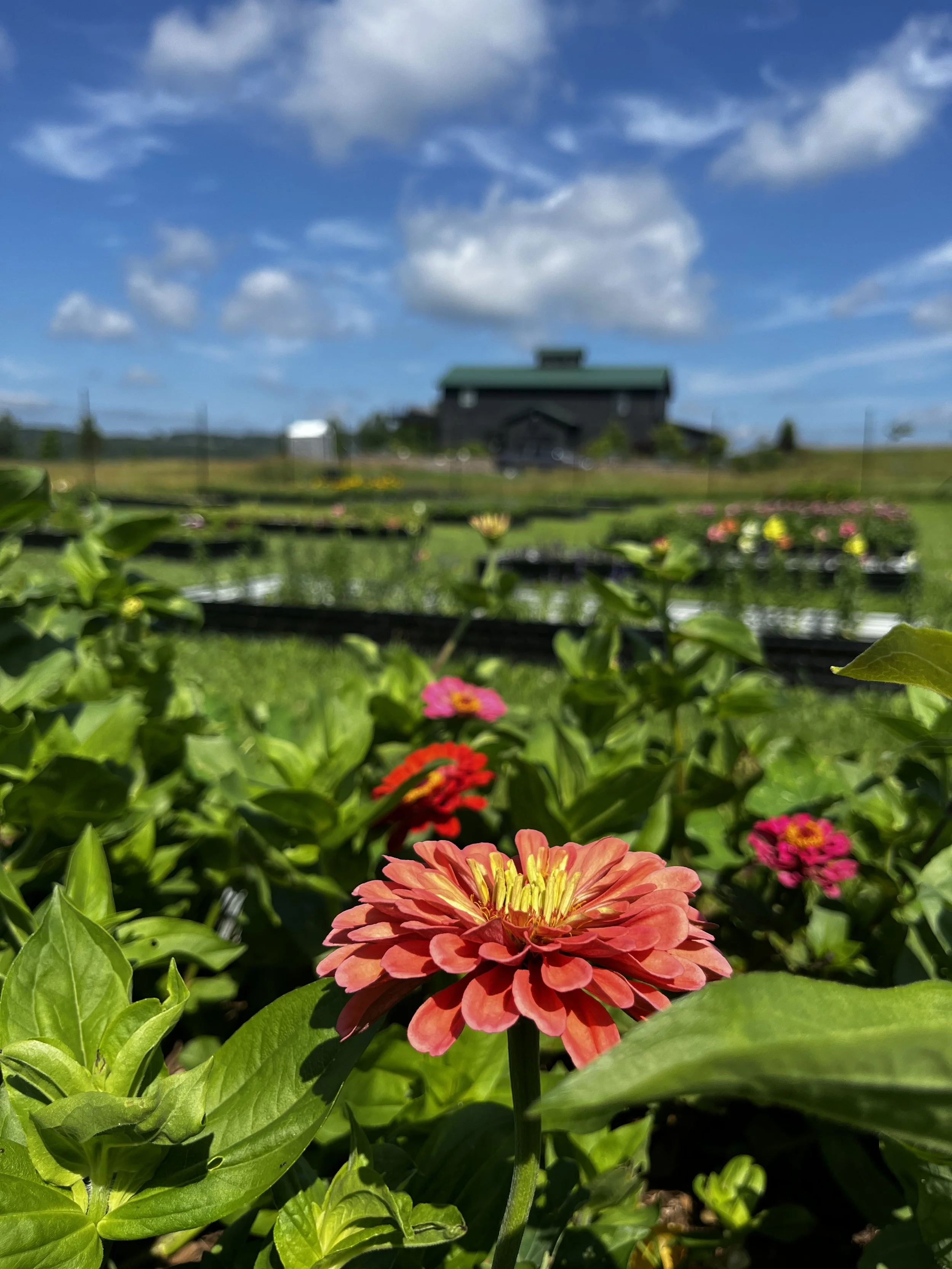
First up: the zinnia, and what it means to send someone a flower built to last.