The Marigold and the Language of Remembrance
Marigolds carry two very different meanings depending on whose language of flowers you're reading. In Victorian England, they stood for grief. In Mexico, they are the flower that guides the dead home. Both traditions are about loss, but one treats it as something to mourn and the other treats it as something to welcome. With Día de los Muertos falling on November 1 and 2, it's the right time of year to look at both.
What the Marigold Says
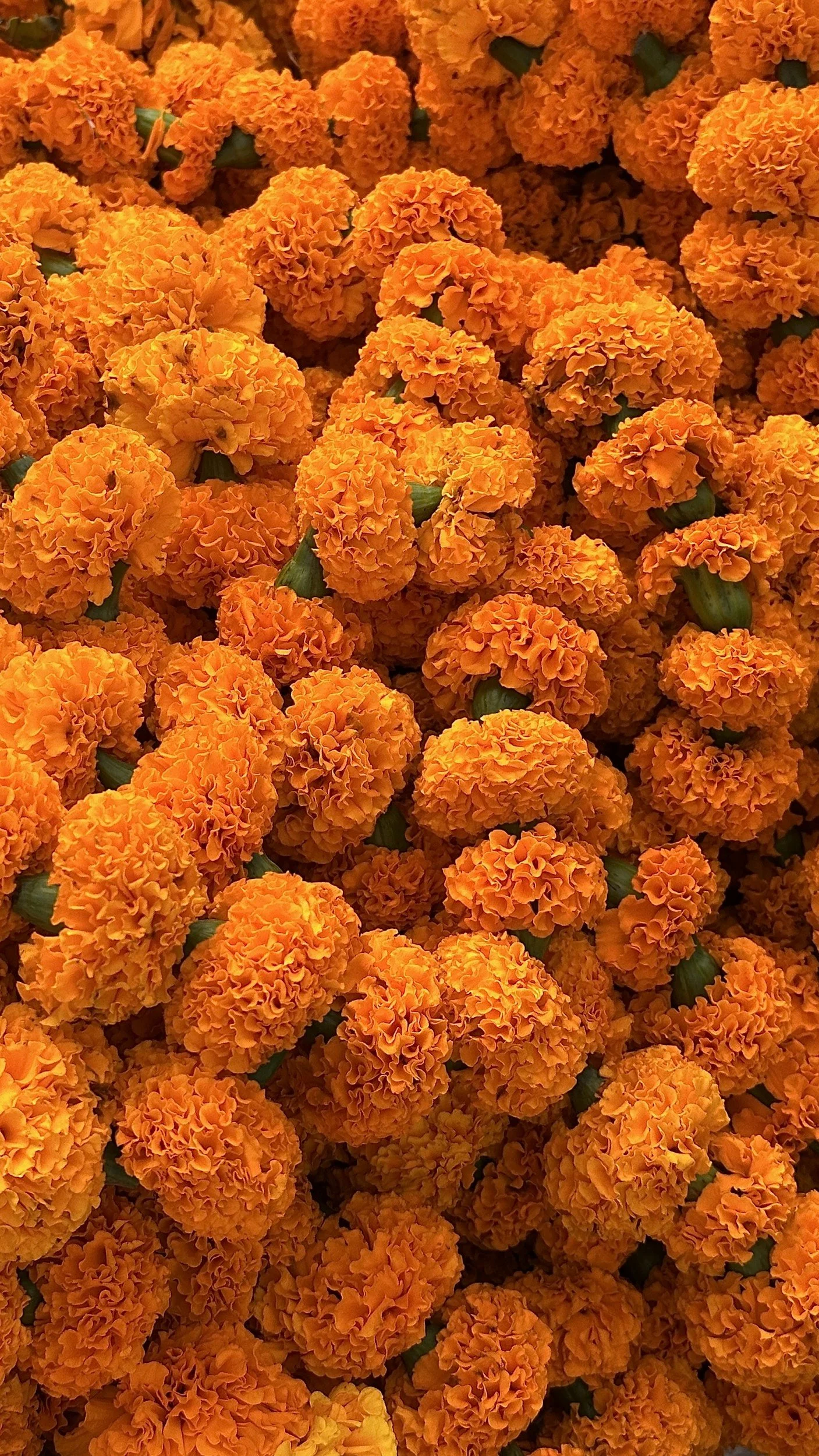
In Victorian floriography, the marigold stood for grief and despair, and some dictionaries also list jealousy. It was not a flower you gave to celebrate anything. It was a flower for the sorrow people couldn't say out loud, and its bright, sun-colored petals made that meaning stranger and sadder, since a flower this cheerful was carrying something this heavy.
In Mexico, the same bright color means nearly the opposite. There, the marigold is the flower of remembrance, and the meaning isn't sorrow but connection: a way of saying the people we've lost are still part of the family.
Where the Marigold Comes From
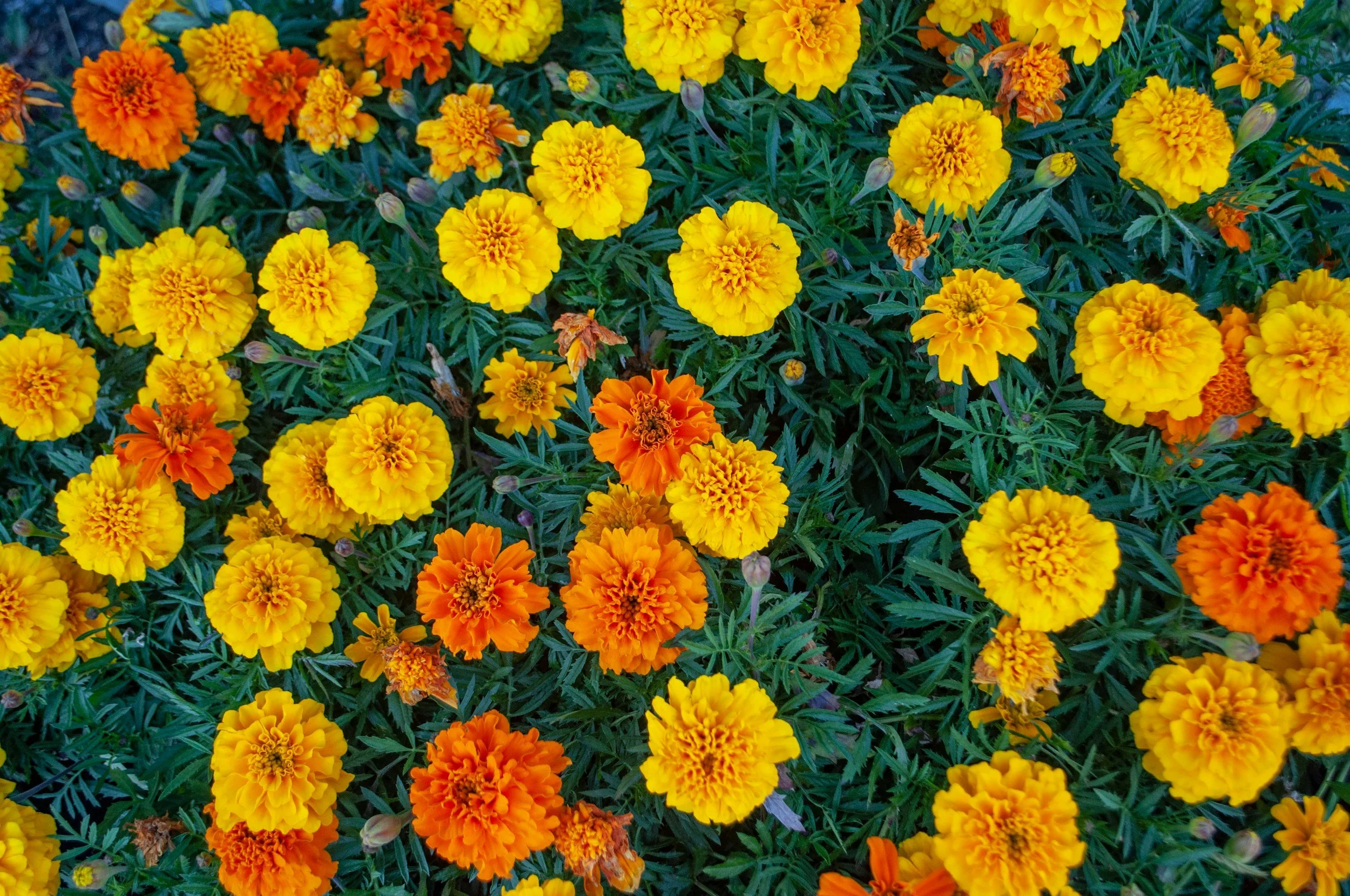
The marigold most associated with Día de los Muertos is Tagetes erecta, native to Mexico and Central America. In Nahuatl, the flower is called cempasúchil, from cempohualxochitl, often translated as "twenty flower," a reference to the many petals packed into each bloom. The Mexica (Aztec) used it in ceremony and in medicine long before Europeans arrived.
Spanish explorers carried it back to Europe in the 1500s, where it picked up the name "African marigold" even though it had never come from Africa. The name Tagetes comes from Linnaeus, who borrowed it from Tages, an Etruscan figure from mythology.
One note on names: the "Mary's gold" that gave marigolds their English name was originally Calendula, a different plant, a pot marigold used in medieval Christian tradition. When Tagetes arrived from the Americas, it picked up the same common name, which is why two unrelated plants are both called marigolds today.
Marigolds and Día de los Muertos
Día de los Muertos is observed on November 1 and 2, and it is not Mexican Halloween. It's a celebration of family members who have died, rooted in Indigenous traditions of honoring the dead that long predate the Spanish arrival. After the Spanish conquest, those traditions blended with the Catholic observances of All Saints' Day and All Souls' Day, which is why the holiday falls on those dates. November 1 is traditionally set aside for children who have died, and November 2 for adults.
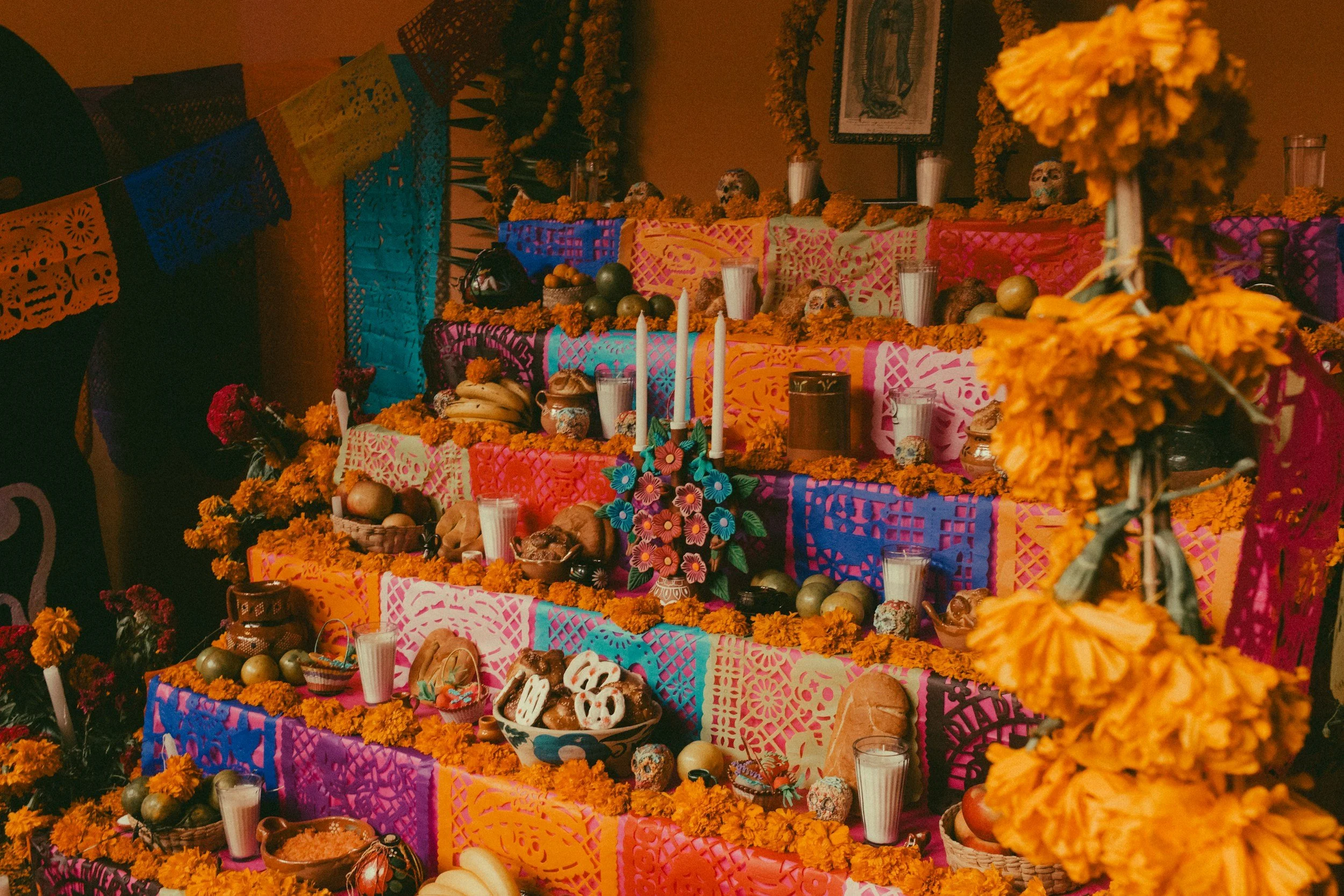
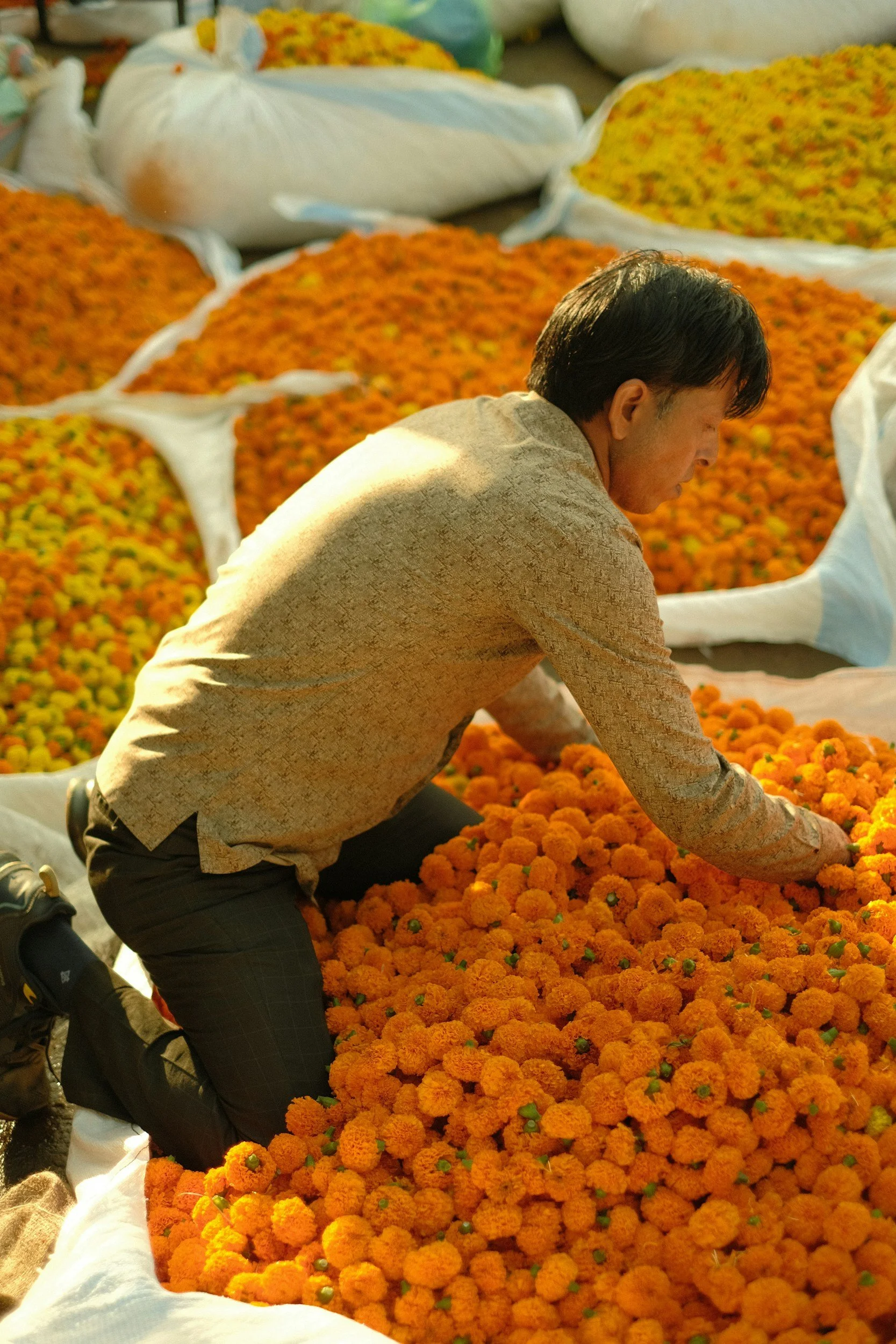
Marigolds sit at the center of it. Families build an ofrenda, an altar in the home or at the grave, with photographs, candles, favorite foods and drinks, pan de muerto, and papel picado. Marigolds are everywhere in it: in arches, in garlands, in heaps around the photographs. Petals are often scattered in a path leading from the door or the grave to the ofrenda.
The belief behind it is that the dead return for a night each year, and the flowers are how they find their way. The color, a deep orange and gold that reads as sunlight, is meant to catch their attention, and the strong, pungent scent is meant to draw them in and lead them to the altar. The flower's short bloom, which ends with the first frost and arrives right around the first of November, fits the holiday's idea that life is brief and beautiful, and that death is part of it.
The Folk Magic of the Marigold
Beyond the ofrenda, marigold folklore is practical and protective. Across many cultures, marigolds were planted at doorways and garden edges to keep trouble away, and their strong scent made them a long-standing companion plant, used to deter pests in vegetable beds. In European folk belief, calendula, the original "Mary's gold," was said to bring prophetic dreams and protect from bad luck, which is another reason the name stuck to both plants.
The overlap between those traditions is the through-line: in nearly every culture that grew marigolds, the flower was a kind of guard, standing at a threshold, either keeping something out or guiding something home.
Marigolds in the Field & Bouquets
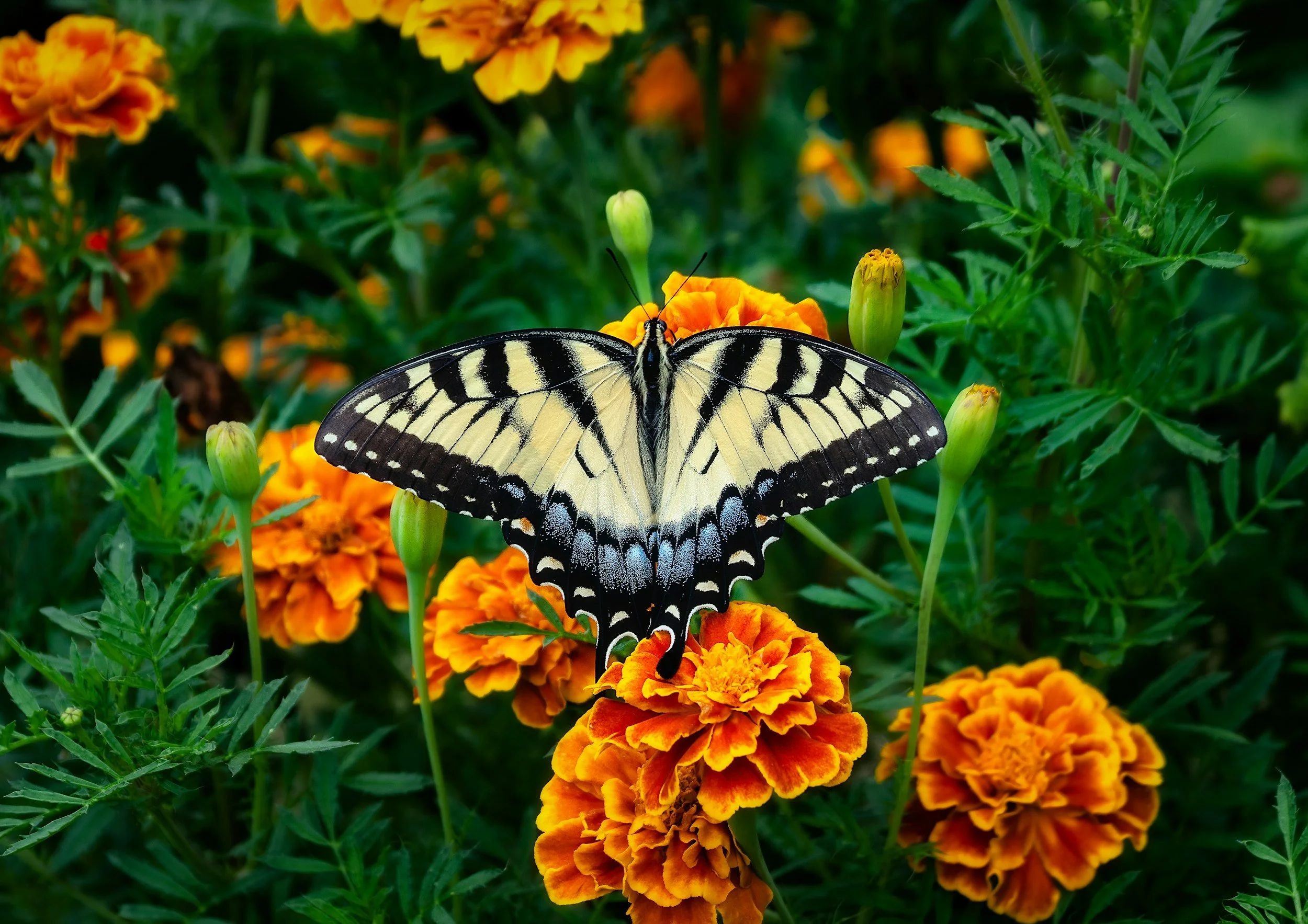
Marigolds are easy to grow and easy to use, and a few things make a real difference when you cut them:
Cut when the bloom is fully open. Marigolds won't continue to open in the vase, so pick the flower at the stage you want it.
Strip the leaves below the waterline. Marigold foliage has a strong, pungent smell, and it breaks down quickly in water, so removing it does more for vase life than anything else.
Expect about a week in the vase, sometimes longer with clean water changed every couple of days.
Pinch young plants for branching. Taking the top off a young marigold early in the season gives you a bushier plant with more stems to cut, and deadheading spent blooms keeps it producing until frost.
Save the seed. Let a few blooms dry fully on the plant, and you can collect the long black-and-cream seeds for next year. It's one of the easiest flowers to save seed from.
Use the petals. Fresh petals are what people use to make the traditional paths and arches for an ofrenda, and a handful of loose petals scattered around a vase of marigolds does the same thing on a smaller scale.
Next up: the Solidago, and the encouragement of the last gold in the field.
Misty Meadows Flower Farm is a woman-owned, sustainably grown u-pick cut flower farm. U-pick is currently closed. Open July - October, 10 am - sunset.