Friday Floriography: Dahlia
The Dahlia
and the Language of Standing Your Ground
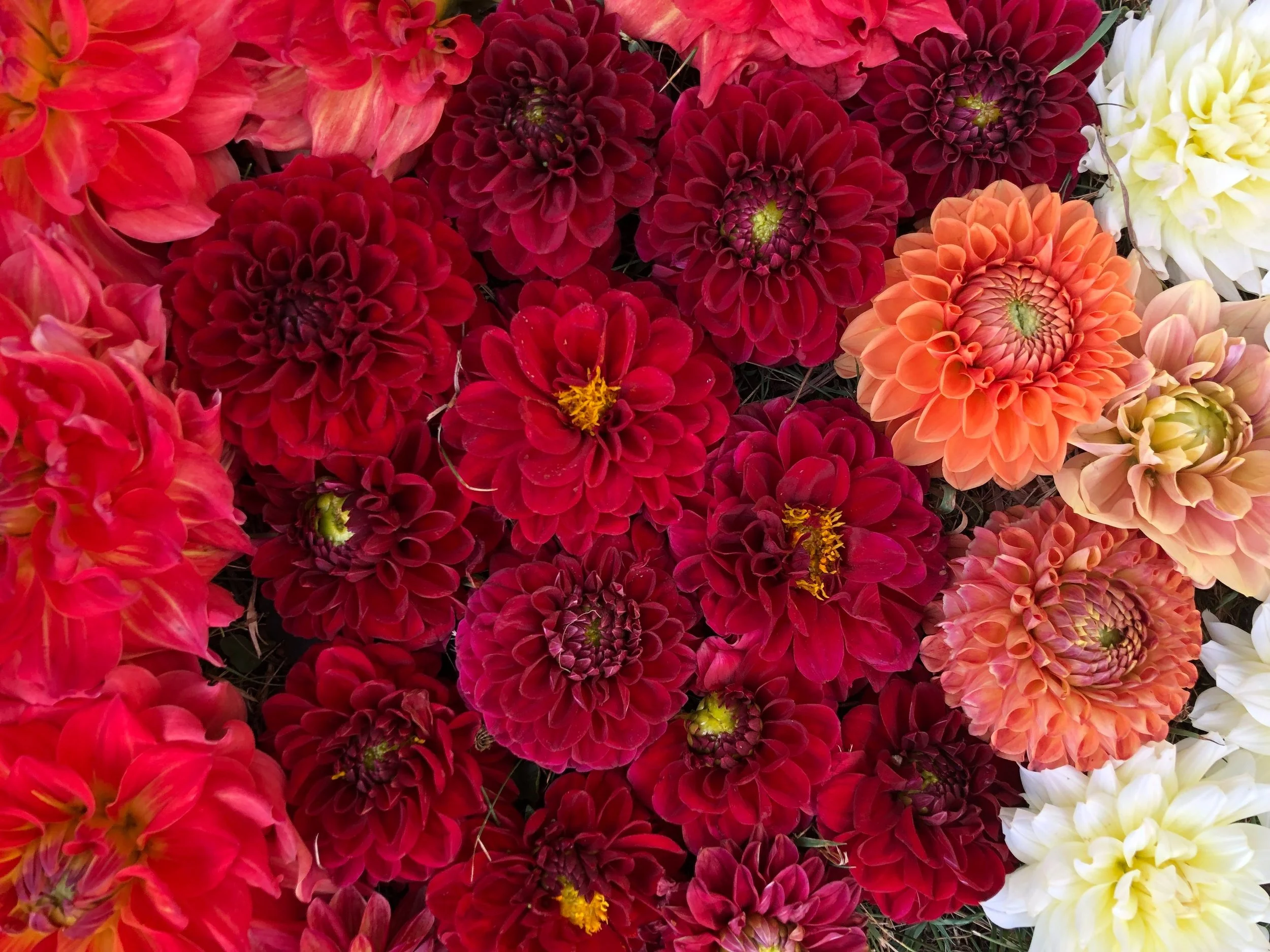
By September, the dahlias have taken over. After a summer of building up strength underground, they're finally putting on the show they've been working toward all season — big, structured, unmistakable blooms that don't ask to be noticed so much as demand it.
What the Dahlia Says
In floriography, the dahlia stands for dignity, inner strength, and standing your ground. It's not a shy flower or a subtle one, and its meaning matches that — this isn't a bloom for a quiet confession. It's a statement.
Given to someone, a dahlia wasn't about fleeting romance. It was closer to a message of respect: an acknowledgment of someone's strength, their steadiness under pressure, the kind of person who doesn't bend just because something is difficult.
In some Victorian readings, it also carried a note of lasting commitment — a bond meant to hold.
Where the Dahlia Comes From
The dahlia carries the name of Anders Dahl, an 18th-century Swedish botanist, but the flower itself is native to Mexico and Central America, where it was cultivated by the Aztec long before Europeans ever saw it. It wasn't grown for beauty at first — the Aztec valued it as a food crop, and the hollow stem was put to practical use for carrying water.
When dahlias reached Europe in the late 1700s and early 1800s, botanists initially pursued them as a potential vegetable, hoping the tubers might rival the potato. They never caught on as food, but the ornamental qualities that had been an afterthought took over completely, and breeders spent the next two centuries pushing the flower into the enormous range of forms and sizes we grow today.
The Folk Magic of the Dahlia
Because the dahlia's practical use came before its symbolic one, the folklore around it leans more grounded than mystical. The Aztec treated the plant as a genuinely useful part of daily life — water carrier, food source — before it was ever treated as decoration, and that practicality is arguably its own kind of magic: a plant valued first for what it could actually do, and only later for what it meant.
Dahlias in the Field & Bouquets
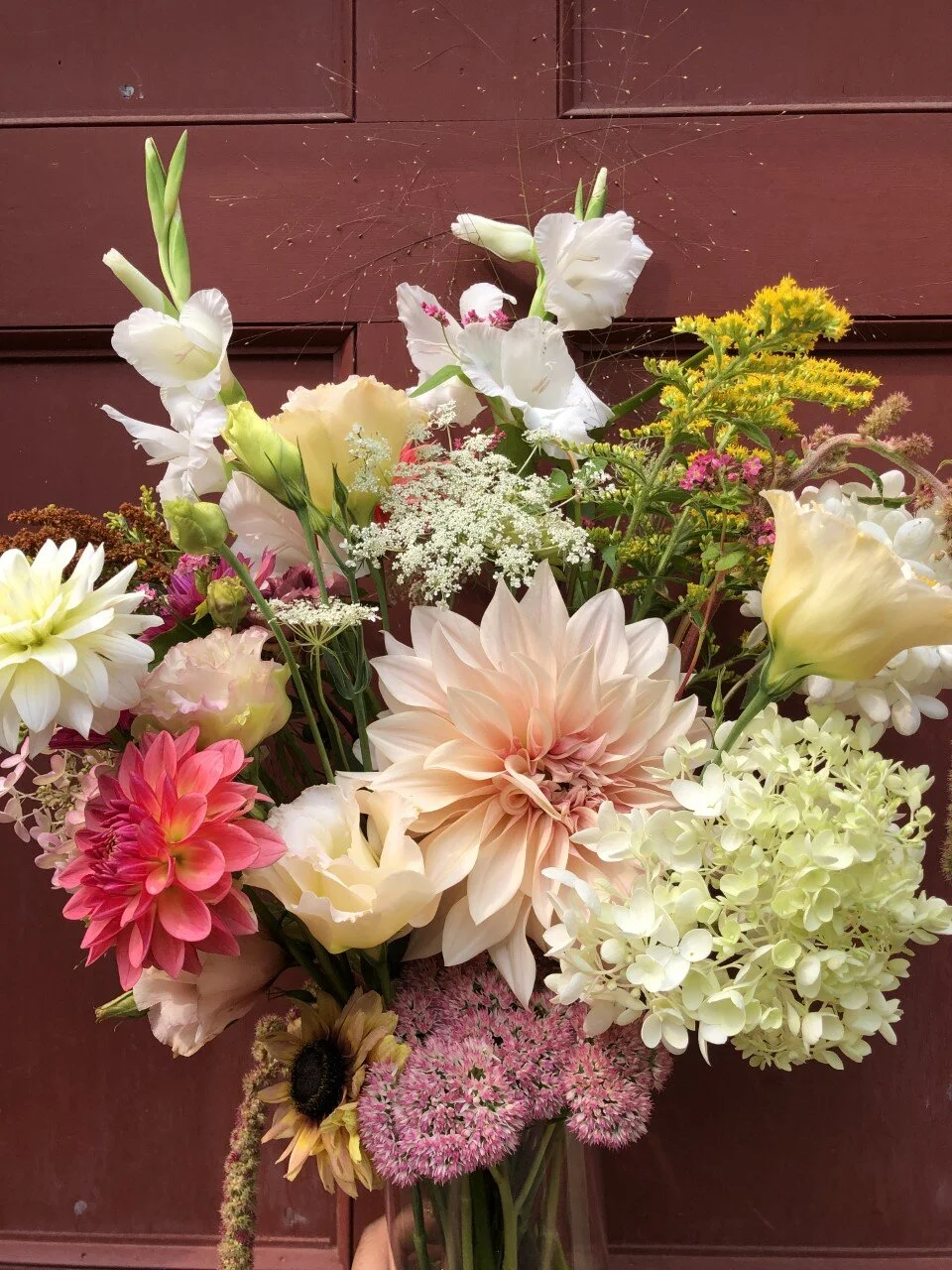
Dahlias are one of my first loves in flower farming. My Mom grew them for years and gifted me my first tubers. They are one of the most rewarding — and most labor-intensive — flowers I grow, and it shows in how they perform right now. So many varieties and colors, you can never grow tired. A few things worth knowing if you're picking or growing them:
Cut them fully open. Unlike cosmos, dahlias won't continue to open once cut, so pick blooms that are already at the stage you want — nothing left in the bud will develop further in the vase.
Cut in the cool of the morning when the stems are fully hydrated, and get them into water quickly for the best vase life.
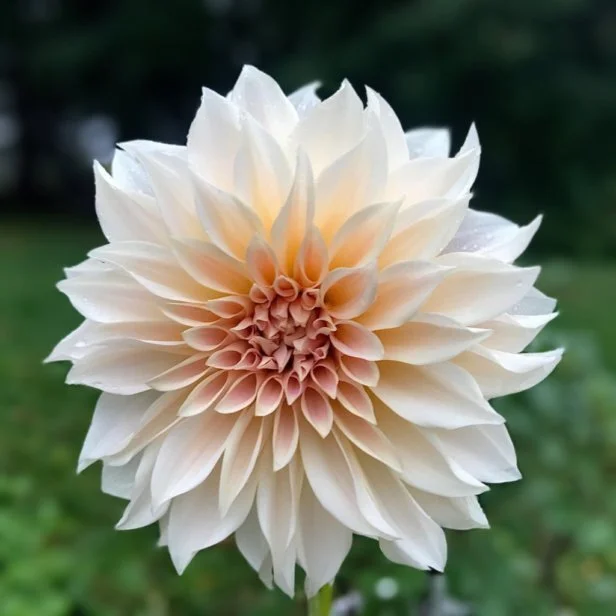
Expect a range in terms of vase life. Ball dahlias can last 5-7 days, while dinner plate dahlias can last 2-3 days. Always start with a clean vase and fresh water changed every couple of days.
Tubers need to come out of the ground before winter, after first frost. Here in Zone 5, dahlias aren't winter-hardy, so this is the season I start planning the dig-and-store process to keep them going for next year.
If you're coming to the u-pick field this week, the dahlias are the showstoppers — worth building a whole bouquet around, or letting just one or two stems carry the whole arrangement on their own.
Next up: the Rudbeckia, and the language of justice.
Misty Meadows Flower Farm is a woman-owned, sustainably grown u-pick cut flower farm in Franklin, NY. U-pick is open July - October, 10 am - sunset.